
Hi, I’m Jagrat - Musician, Product designer & PM.
I want to help build the future of music at Udio.
Here’s why

Intersection of my lifelong passions.
I’ve been a hobbyist musician since the age of five, with intent to go professional until I turned eighteen. In parallel, I’ve been deeply fascinated by technology since my first Windows 95 computer. That intersection showed up naturally in my work at Parsons School of Design, where most of my projects gravitated toward music applications, culminating in a music-focused thesis.

Once in a multi-decade opportunity
Inflection points like this, where music can be created in a whole new way emerge once every 20 to 30 years. I would not want to miss a moment this consequential in the history of music. Secondly, millions of people have taste but no musical training. Prompt based music making unlocks a whole new culture.

The team’s deep understanding of musicians
The depth and coherence of Udio make it clear that the team understands musicians deeply. I’ve followed the product for a while and consistently seen genuinely useful features ship, each one fitting naturally into a thoughtful whole.

Co-creating the instrument on which the next generation of hits might be composed (goosebumps)
Text to audio gen represents the next creative instrument, one that artists will explore, compose with, and push in unexpected directions. Shaping this instrument means influencing how future music is created.
AREAS I’m MOST INTERESTED IN
ONE
A Studio/DAW
Being a music creator myself, I’m very interested in is how Udio can evolve for musicians who want a bit more control. Generative audio is incredible for exploration, and that spontaneity is the heart of Udio. I’m curious how a DAW application might offer gentle ways to guide the model when someone has a clearer idea in mind, without losing that playful generative feel.
TWO
An Individuality Engine
Every artist’s identity comes from years of decisions: what they choose to listen to, skip, imitate, or reject. How does one translate those micro-decisions (taste data) into a model that preserves individuality instead of standardising it?
THREE
Post WMG deal: Remixing & more
Zedd recently said that one of the fastest ways for a musician to get noticed is by reshaping a song everyone already knows. For non-musicians, that same familiarity is what makes creation fun in the first place. Giving people simple ways to remix a track, use artists vocals (with consent, of course), tweak its vibe, or adjust the lyrics makes AI music feel intuitive and playful, without having to start from scratch.
FOUR
A music network
As generative audio models become increasingly commoditised, it’s hard to sustain a lasting competitive edge purely on technology. What’s far more defensible is a thriving community of musicians actively creating, sharing, and learning from each other.
FIVE
Solving sonic vocabulary/education
People often know what they like sonically but don’t have a vocabulary for it - even musicians. A tool that teaches users how to describe sound, could massively expand creative ability and unlock better prompting.
SIX
API Play
Beyond new product categories, an API could bring Udio’s creation tools directly into the places everyday users already make content like YouTube, Instagram, or TikTok. It’s a natural way to reach non-musicians who already need music for their videos, introduce them to AI-generated tracks in a familiar setting, and ultimately send more confident creators back to Udio when they want to generate music specifically.
SEVEN
Real-time collaboration
Figma showed how transformative real-time co-editing can be. Music still lacks that. No DAW lets collaborators write, arrange, and refine the same track simultaneously without file-sharing headaches. A real-time layer would make remote sessions natural and help ideas move at the speed of conversation.
About me
Over eight years in product design and two in product management, building zero to one products.


Strategic Mindset: PM + Design
As someone who can drive a product end to to end - from vision to protoype, distill a vision into a roadmap/feature set, design it, vibe code a prototype and get feedback quickly, founders have often relied on me running my own charter a PM+Designer.

High Ownership Environments
All of my roles, from Haptik to HackerRank, have been high-ownership ones where one takes responsibility end to end. That’s where I thrive the most too.

Music Making Experience (LogicPro)
I spent about a year making music full-time, teaching myself Logic Pro and songwriting, and ended up creating 17 songs and demos. I also play keys and acoustic guitar, so I understand a musician’s workflow and the frustrations that come with it.
Exactly 10 years ago
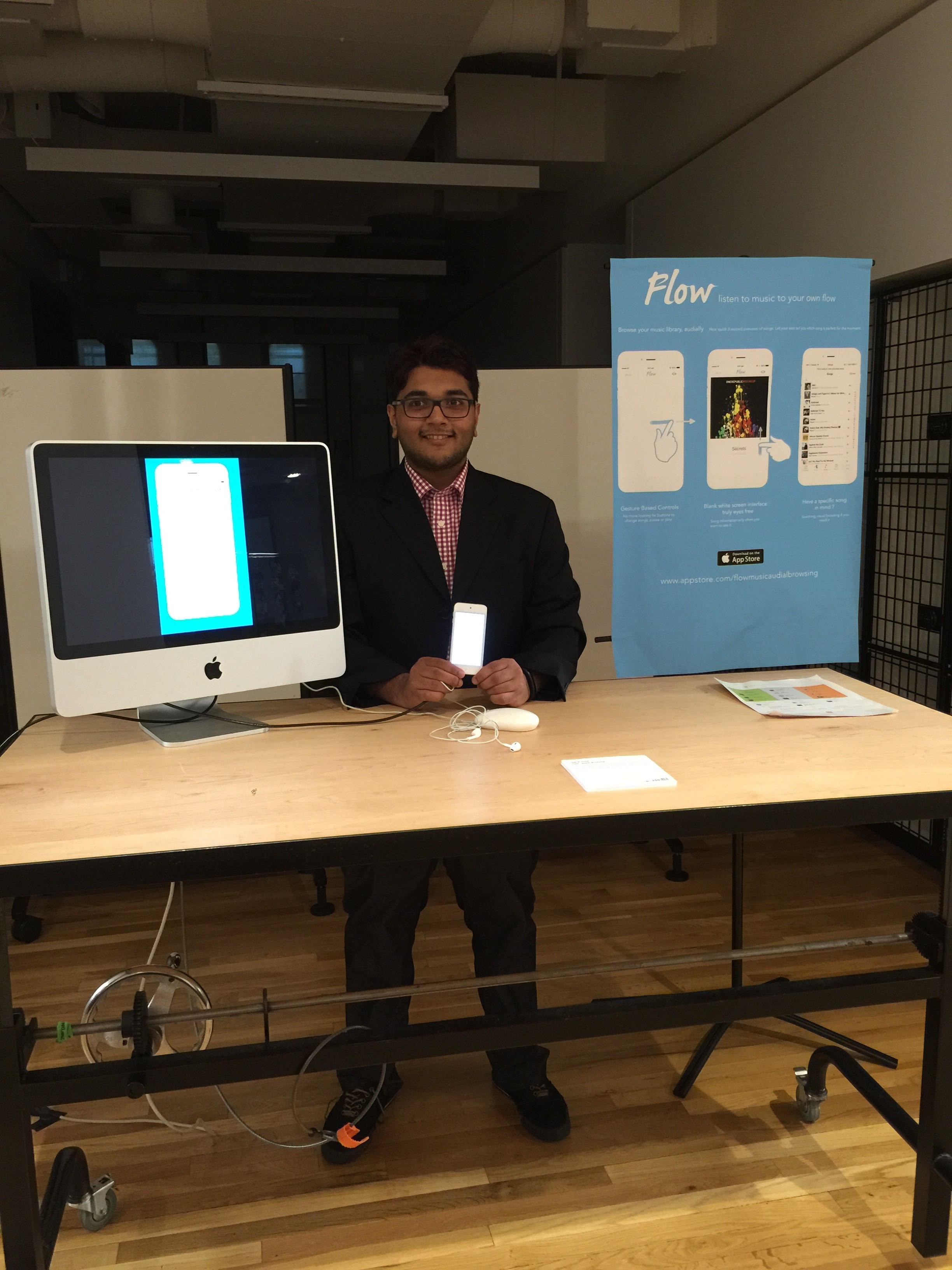
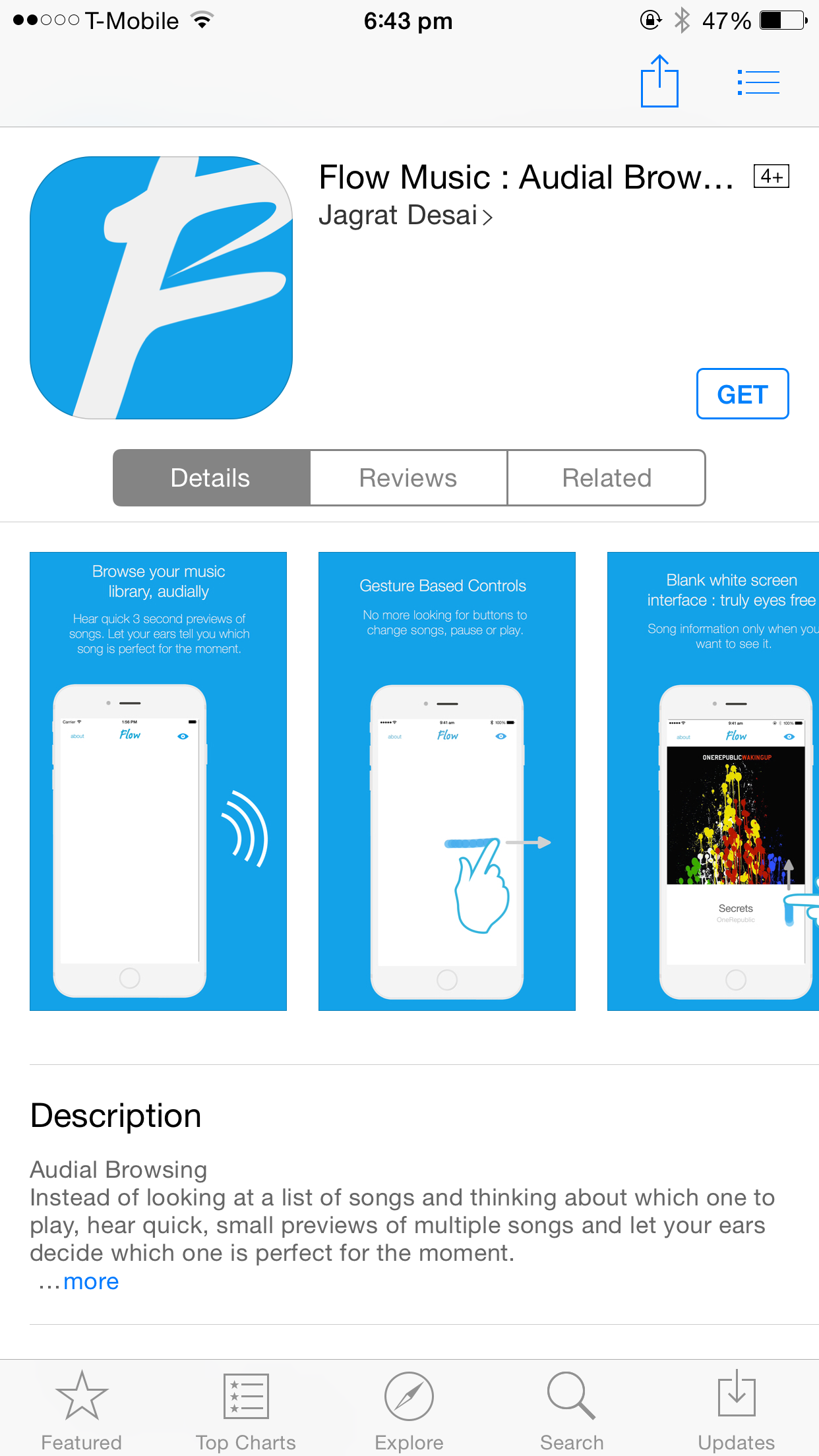
2015 - Shipped my first music app.
2025 - Hoping to help shape how the world makes and hears music.
I’d Love An Opportunity to Contribute

www.jagratdesai.com

jagratdesai.work@gmail.com

http://linkedin.com/in/jagrat/
Hi, I’m Jagrat - Musician, Product designer & PM.
I want to help build the future of music at Udio.
Here’s why
Intersection of my lifelong passions.
I’ve been a hobbyist musician since the age of five, with intent to go professional until I turned eighteen. In parallel, I’ve been deeply fascinated by technology since my first Windows 95 computer. That intersection showed up naturally in my work at Parsons School of Design, where most of my projects gravitated toward music applications, culminating in a music-focused thesis.
Once in a multi-decade opportunity
Inflection points like this, where music can be created in a whole new way emerge once every 20 to 30 years. I would not want to miss a moment this consequential in the history of music. Secondly, millions of people have taste but no musical training. Prompt based music making unlocks a whole new culture.
Co-creating the instrument on which the next generation of hits might be composed (goosebumps)
Text to audio gen represents the next creative instrument, one that artists will explore, compose with, and push in unexpected directions. Shaping this instrument means influencing how future music is created.

The team’s deep understanding of musicians
The depth and coherence of Udio make it clear that the team understands musicians deeply. I’ve followed the product for a while and consistently seen genuinely useful features ship, each one fitting naturally into a thoughtful whole.
AREAS I’m MOST INTERESTED IN
ONE
A Studio/DAW
Being a music creator myself, I’m very interested in is how Udio can evolve for musicians who want a bit more control. Generative audio is incredible for exploration, and that spontaneity is the heart of Udio. I’m curious how a DAW application might offer gentle ways to guide the model when someone has a clearer idea in mind, without losing that playful generative feel.
TWO
An Individuality Engine
Every artist’s identity comes from years of decisions: what they choose to listen to, skip, imitate, or reject. How does one translate those micro-decisions (taste data) into a model that preserves individuality instead of standardising it?
THREE
Post WMG deal: Remixing & more
Zedd recently said that one of the fastest ways for a musician to get noticed is by reshaping a song everyone already knows. For non-musicians, that same familiarity is what makes creation fun in the first place. Giving people simple ways to remix a track, use artists vocals (with consent, of course), tweak its vibe, or adjust the lyrics makes AI music feel intuitive and playful, without having to start from scratch.
SIX
API Play
Beyond new product categories, an API could bring Udio’s creation tools directly into the places everyday users already make content like YouTube, Instagram, or TikTok. It’s a natural way to reach non-musicians who already need music for their videos, introduce them to AI-generated tracks in a familiar setting, and ultimately send more confident creators back to Udio when they want to generate music specifically.
FIVE
Solving sonic vocabulary/education
People often know what they like sonically but don’t have a vocabulary for it - even musicians. A tool that teaches users how to describe sound, could massively expand creative ability and unlock better prompting.
FOUR
A music network
As generative audio models become increasingly commoditised, it’s hard to sustain a lasting competitive edge purely on technology. What’s far more defensible is a thriving community of musicians actively creating, sharing, and learning from each other.
SEVEN
Real-time collaboration
Figma showed how transformative real-time co-editing can be. Music still lacks that. No DAW lets collaborators write, arrange, and refine the same track simultaneously without file-sharing headaches. A real-time layer would make remote sessions natural and help ideas move at the speed of conversation.
About me
Over eight years in product design and two in product management, building zero to one products.


Strategic Mindset: PM + Design
As someone who can drive a product end to to end - from vision to protoype, distill a vision into a roadmap/feature set, design it, vibe code a prototype and get feedback quickly, founders have often relied on me running my own charter a PM+Designer.
High Ownership Environments
All of my roles, from Haptik to HackerRank, have been high-ownership ones where one takes responsibility end to end. That’s where I thrive the most too.
Music Making Experience (LogicPro)
I spent about a year making music full-time, teaching myself Logic Pro and songwriting, and ended up creating 17 songs and demos. I also play keys and acoustic guitar, so I understand a musician’s workflow and the frustrations that come with it.
Exactly 10 years ago
2015 - Shipped my first music app.
2025 - Hoping to help shape how the world makes and hears music.
I’d Love An Opportunity to Contribute
www.jagratdesai.com
jagratdesai.work@gmail.com
http://linkedin.com/in/jagrat/
Hi, I’m Jagrat - Musician, Product designer & PM.
I Want To Help Build The Future Of Music at Udio.
Here’s why
Intersection of my lifelong passions.
I’ve been a hobbyist musician since the age of five, with intent to go professional until I turned eighteen. In parallel, I’ve been deeply fascinated by technology since my first Windows 95 computer. That intersection showed up naturally in my work at Parsons School of Design, where most of my projects gravitated toward music applications, culminating in a music-focused thesis.
Once in a multi-decade opportunity
Inflection points like this, where music can be created in a whole new way emerge once every 20 to 30 years. I would not want to miss a moment this consequential in the history of music. Secondly, millions of people have taste but no musical training. Prompt based music making unlocks a whole new culture.
Co-creating the instrument on which the next generation of hits might be composed (goosebumps)
Text to audio gen represents the next creative instrument, one that artists will explore, compose with, and push in unexpected directions. Shaping this instrument means influencing how future music is created.

The team’s deep understanding of musicians
The depth and coherence of Udio make it clear that the team understands musicians deeply. I’ve followed the product for a while and consistently seen genuinely useful features ship, each one fitting naturally into a thoughtful whole.
AREAS I’m MOST INTERESTED IN
ONE
A Studio/DAW
Being a music creator myself, I’m very interested in is how Udio can evolve for musicians who want a bit more control. Generative audio is incredible for exploration, and that spontaneity is the heart of Udio. I’m curious how a DAW application might offer gentle ways to guide the model when someone has a clearer idea in mind, without losing that playful generative feel.
TWO
An Individuality Engine
Every artist’s identity comes from years of decisions: what they choose to listen to, skip, imitate, or reject. How does one translate those micro-decisions (taste data) into a model that preserves individuality instead of standardising it?
THREE
Post WMG deal: Remixing & more
Zedd recently said that one of the fastest ways for a musician to get noticed is by reshaping a song everyone already knows. For non-musicians, that same familiarity is what makes creation fun in the first place. Giving people simple ways to remix a track, use artists vocals (with consent, of course), tweak its vibe, or adjust the lyrics makes AI music feel intuitive and playful, without having to start from scratch.
FOUR
A music network
As generative audio models become increasingly commoditised, it’s hard to sustain a lasting competitive edge purely on technology. What’s far more defensible is a thriving community of musicians actively creating, sharing, and learning from each other.
FIVE
Solving sonic vocabulary/education
People often know what they like sonically but don’t have a vocabulary for it - even musicians. A tool that teaches users how to describe sound, could massively expand creative ability and unlock better prompting.
SIX
API Play
Beyond new product categories, an API could bring Udio’s creation tools directly into the places everyday users already make content like YouTube, Instagram, or TikTok. It’s a natural way to reach non-musicians who already need music for their videos, introduce them to AI-generated tracks in a familiar setting, and ultimately send more confident creators back to Udio when they want to generate music specifically.
SEVEN
Real-time collaboration
Figma showed how transformative real-time co-editing can be. Music still lacks that. No DAW lets collaborators write, arrange, and refine the same track simultaneously without file-sharing headaches. A real-time layer would make remote sessions natural and help ideas move at the speed of conversation.
About me
Over eight years in product design and two in product management, building zero to one products.


Strategic Mindset: PM + Design
As someone who can create a product from vision to design to vibe-coded prototype, founders have often relied on me running my own charter as a PM+Designer.
High Ownership Environments
All of my roles, from Haptik to HackerRank, have been high-ownership ones where one takes responsibility end to end. That’s where I thrive the most too.
Music Making Experience (LogicPro)
I spent about a year making music full-time, teaching myself Logic Pro and songwriting, and ended up creating 17 songs and demos. I also play keys and acoustic guitar, so I understand a musician’s workflow and the frustrations that come with it.
Exactly 10 years ago
2015 - Shipped my first music app.
2025 - Hoping to help shape how the world makes and hears music.
I’d Love An Opportunity to Contribute
Call me, (not) maybe
www.jagratdesai.com
jagratdesai.work@gmail.com
http://linkedin.com/in/jagrat/